

The Future of Farming With Intelligent Agricultural Robotics
image for illustrative purpose
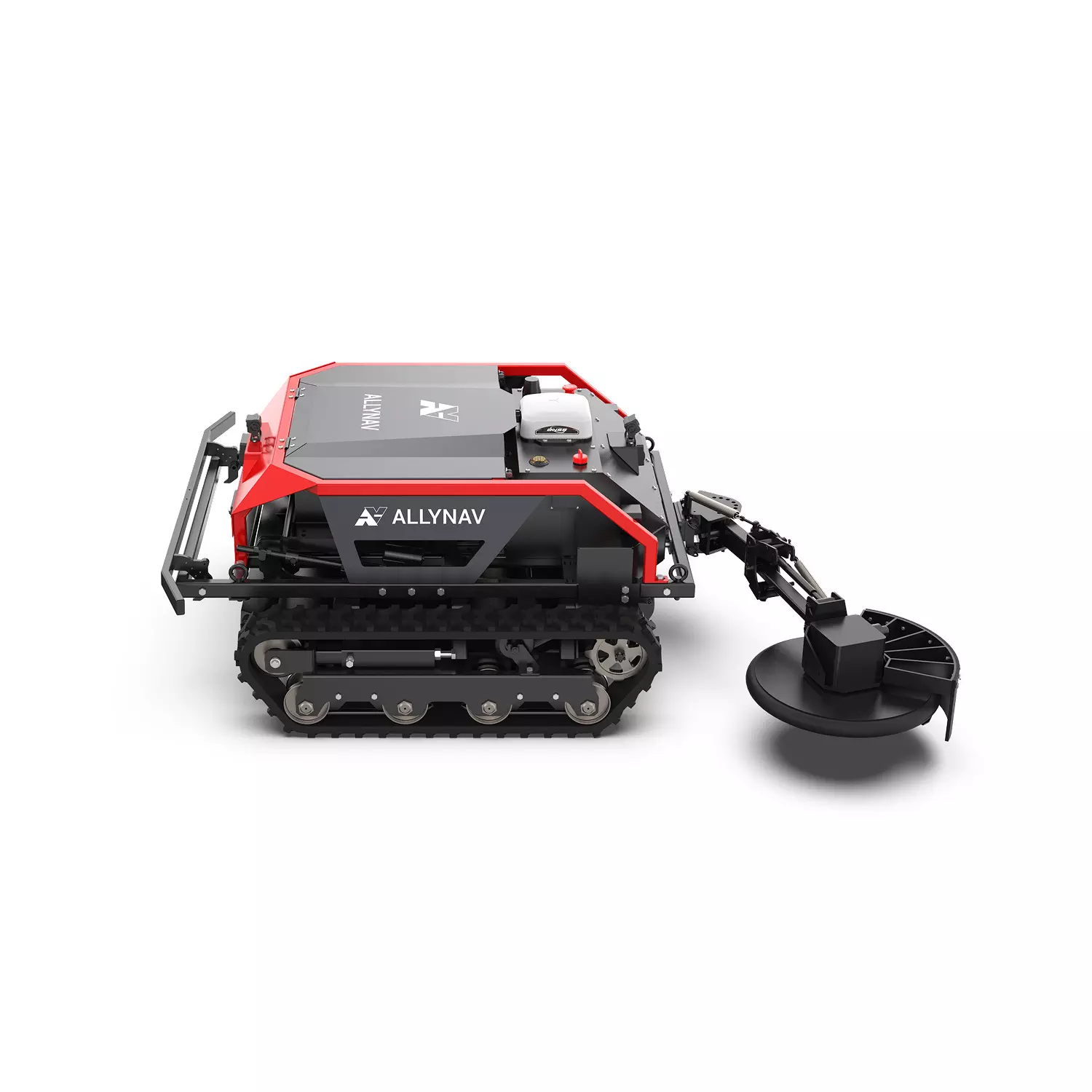
Robotics and artificial intelligence (AI) are rapidly transitioning farming into the 21st century. As global food consumption soars and conventional farming struggles under limited workforce resources, smart agricultural devices have quickly become a viable solution to increasing demands. Not only have these technological devices made tasks simpler for agriculturalists, but they are transforming how farms function today, as well as shaping plans for tomorrow.
The Rise of Intelligent Agricultural Robotics
Intelligent agricultural robots (IAR) are devices capable of performing farming operations by themselves or with minimal assistance from humans. Unlike regular machines, intelligent agricultural robots employ sensors, cameras, GPS tracking software, and AI-powered software that recognize their surroundings immediately in order to take appropriate actions immediately - this change allows farms to move from reactive operations towards data-driven predictive operations for greater productivity while decreasing wastefulness.
An increasing fascination with what is farming robot and how it differs from conventional equipment is at the core of this shift. Farming robots may cross fields autonomously to find crops or weeds, examine soil conditions, perform specific tasks like planting or spraying, and harvesting with remarkable efficiency - while learning from data to adjust plans according to what happens on-field.
Precision and Efficiency in Modern Farming
One of the great aspects of smart robots is their accuracy. Robots may work plant by plant, only applying water, fertilizers, or pesticides when required for each plant's specific care and health. This approach to precision farming saves costs as it ensures crops continue growing at optimal conditions - by giving each one of them individual attention from start to finish.
Robotic systems equipped with improved navigation technologies are capable of functioning day and night with pinpoint precision, unlike humans, who tire easily due to physical labor. Therefore, farms using robotic systems with improved navigation technology can do time-sensitive activities faster with reduced errors during planting or harvesting seasons, which directly influence crop quality. This type of robotic solution may prove especially advantageous during these activities where timing plays a direct and impactful role.
Data Driven Decision Making
Farm robots of today can also help farmers collect data accurately. Their sensors collect precise measurements about the moisture content of soil, the health and vitality of plant life, pest infestation, growth patterns across fields, as well as patterns in development over time. Farmers may use this data to make more strategic plans with scarcer resources available to them.
Over time, robots become better at their tasks due to machine learning algorithms. Smart robots can identify potential issues before they arise by looking at trends in crop development and weather fluctuations; this preventative strategy helps farmers preserve more crops while strengthening agricultural systems overall.
Addressing Labor and Sustainability Challenges
Farmers worldwide are becoming more concerned about not having enough staff. Smart robots may help alleviate this tension by taking over those unpleasant, monotonous jobs people prefer not doing and freeing staff up for more important things like making choices, monitoring technology updates, and running their farm.
From an environmental viewpoint, agricultural robots play an essential role in using fewer chemicals and saving water, as well as cutting carbon emissions. Targeted spraying helps farmers use less fuel while also minimizing runoff - something which contributes to meeting future regulations as well as customer expectations.
The Road Ahead for Agricultural Robotics
Smart agricultural robots will transform farming in the near future into something more autonomous, connected, and scalable. Both small- and mid-sized farms may begin adopting robots as technology becomes cheaper and easier to access - not forgetting cloud platforms or farm management systems to make the entire experience even more streamlined and organized
As navigation, artificial intelligence, and sensor technologies advance, agricultural robots will become capable of operating across a wider variety of crops and terrain. Although intelligent agricultural robots pose unique challenges, such as high upfront costs and professional training requirements for farmers today, intelligent agricultural robots remain integral parts of contemporary farming operations.
Conclusion
Smart agricultural robots are revolutionizing food production, processing, handling, and delivery processes. By providing long-term solutions that combine accuracy, data intelligence, and automation in their designs, smart agricultural robots offer hope to a sector under strain - as more farms integrate robotics, the future of farming will become smarter, more efficient, and better prepared to feed an expanding global population.





